


Beneath the Paddle: The Hidden Marine Worlds Every Kayaker Should Help Protect

There’s something magical about being on the water...
Whether you’re gliding quietly along the coastline at sunrise, exploring hidden coves, or floating above crystal-clear shallows, kayaking gives us a front-row seat to nature in a way few other activities can.
But beneath our kayaks lies an entire living world that many paddlers never get to see.
The Mediterranean and coastlines around the world are home to incredible underwater habitats that protect marine life, improve water quality, reduce coastal erosion, and even help fight climate change.
Three of the most important habitats are Posidonia oceanica meadows, Maërl beds, and Vermetid reefs.
These ecosystems may not always be visible from the surface, but they play a huge role in keeping our seas healthy.
As paddlers, we are among the lucky few who regularly experience these environments up close, and that means we can also help protect them.
Posidonia Oceanica Meadows: The Lungs of the Mediterranean
At first glance, Posidonia oceanica might look like ordinary seaweed.
It isn’t.
Posidonia is actually a marine flowering plant that forms vast underwater meadows across the Mediterranean Sea. These meadows are among the most important ecosystems in Europe.
They:
Produce oxygen
Absorb carbon dioxide
Stabilise the seabed
Provide shelter and nursery grounds for marine life
Help keep coastal waters crystal clear
In fact, Posidonia meadows are often called the “lungs of the Mediterranean.”
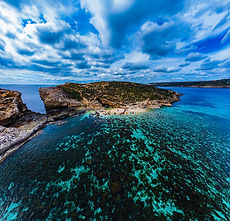
When paddling over shallow turquoise water, those darker patches beneath you are often Posidonia meadows quietly supporting entire marine ecosystems below.
Why They Matter to Kayakers
Healthy Posidonia meadows mean:
Cleaner water
More fish and marine life
More stable coastlines
Better paddling environments for future generations
Without them, coastal erosion increases, biodiversity declines, and water quality suffers.
How We Can Protect Them
The good news is that small actions make a huge difference.
When kayaking, boating, swimming, or snorkelling:
Avoid anchoring on seagrass beds
Use designated mooring buoys whenever possible
Avoid dragging equipment across shallow seabeds
Respect protected marine areas
Educate others about what lies beneath the surface
Every careful decision helps preserve these underwater forests.

Maërl Beds: The Pink Seabeds Full of Life
Hidden beneath coastal waters are extraordinary pink seabeds known as Maërl beds.
Maërl is made up of slow-growing coralline algae that create complex underwater habitats filled with tiny spaces where marine species can live, hide, and feed.
Although they may look like colourful gravel, Maërl beds are actually living ecosystems.
These habitats support:
Juvenile fish
Shellfish
Crustaceans
Marine worms
Countless microscopic organisms
Some Maërl species grow only a few millimetres per year, meaning damage can take decades, or even centuries, to recover.
Why They Matter
Maërl beds are biodiversity hotspots.
They help maintain healthy fisheries and contribute to the overall balance of coastal marine ecosystems.
For paddlers, they are another reminder that the calm waters we enjoy are alive with fragile ecosystems beneath us.
How Human Activity Damages Them
Maërl beds are extremely sensitive to:
Bottom trawling
Anchoring
Dredging
Pollution
Sediment disturbance
Even a single anchor chain repeatedly dragged across the seabed can cause long-term destruction.
What Paddlers Can Do
As low-impact water users, kayakers are already among the most eco-friendly ocean explorers.
We can help even more by:
Avoiding shallow sensitive seabeds when landing
Never collecting marine material from the sea
Supporting marine conservation projects
Sharing awareness with fellow paddlers and visitors
Protecting Maërl means protecting the biodiversity that keeps our seas thriving.

Vermetid Reefs: Nature’s Coastal Defenders
Vermetid reefs are one of the Mediterranean’s lesser-known natural wonders.
These rocky coastal formations are built over time by tiny marine snails called vermetids, together with coralline algae.
Slowly, year after year, they create reef-like structures along the shoreline.
Although easy to overlook, these reefs are incredibly important because they:
Reduce wave energy
Protect coastlines from erosion
Create habitats for marine organisms
Help maintain coastal biodiversity
They are nature’s own coastal defence system.
Why They Are Fragile
Vermetid reefs are highly sensitive to human disturbance.
Walking on them, placing heavy beach furniture on them, littering, or damaging them physically can destroy structures that took decades to form.
Climate change and rising sea temperatures also place increasing pressure on these delicate habitats.
How Kayakers Can Help
Kayakers are uniquely positioned to appreciate these coastal ecosystems without heavily impacting them.
Simple ways to help include:
Avoid stepping on rocky reef formations
Leave no rubbish behind
Respect wildlife and nesting areas
Choose eco-conscious launch and landing spots
Encourage responsible coastal tourism
The more people understand these habitats, the more likely they are to protect them.

Why This Matters to the Paddling Community
Kayaking is more than a sport.
It’s a way to connect with the sea.
Paddlers often witness the beauty of coastal environments more intimately than most people ever will. We see the changing colours of the water, the wildlife beneath the surface, and the quiet balance of these marine spaces.
That connection comes with an opportunity.
By learning about marine ecosystems like Posidonia meadows, Maërl beds, and Vermetid reefs, we become better stewards of the coastlines we love exploring.
Protecting the sea doesn’t always require massive action.
Sometimes it starts with:
Launching responsibly
Avoiding sensitive habitats
Picking up litter
Sharing knowledge
Inspiring others to care
Every paddle is a chance to appreciate and protect the natural world around us.
Final Thoughts
The next time you head out on the water, take a moment to look beyond the surface.
Beneath your kayak lies a hidden world working tirelessly to support marine life, protect coastlines, and keep our oceans healthy.
These ecosystems may be fragile, but awareness is powerful.
The more paddlers understand what lies beneath them, the better chance we have of preserving these incredible marine habitats for future generations.
At Get Out And Kayak, we believe adventure and conservation should always go hand in hand.
Because protecting the places we paddle is part of the journey.

Acknowledgements & Further Reading
This article was created using educational and conservation material relating to
Mediterranean marine ecosystems, including resources focused on:
Posidonia oceanica meadows
Maërl beds
Vermetid reefs
We would like to acknowledge the important work carried out by marine conservation organisations, researchers, environmental agencies, and local initiatives dedicated to protecting Mediterranean coastal habitats.
Thank you to Professor Alan Deidun from University of Malta, the SenHAR Interreg Italia-Malta Team, and E.R.A.
By sharing knowledge and raising awareness, these organisations help ensure that future generations can continue to experience and enjoy healthy marine ecosystems.
We encourage readers to learn more about marine conservation initiatives in Malta and across the Mediterranean, support local environmental projects, and continue exploring the sea responsibly.
#PosidoniaOceanica #MaërlBeds #VermetidReefs

Comments